
Managing Heat Stress in Poultry: A Comprehensive Guide
Authors: Dr. Gopal Potdar and Dr. Hardik Patel
Regen Biocorps AHI Pvt. Ltd.
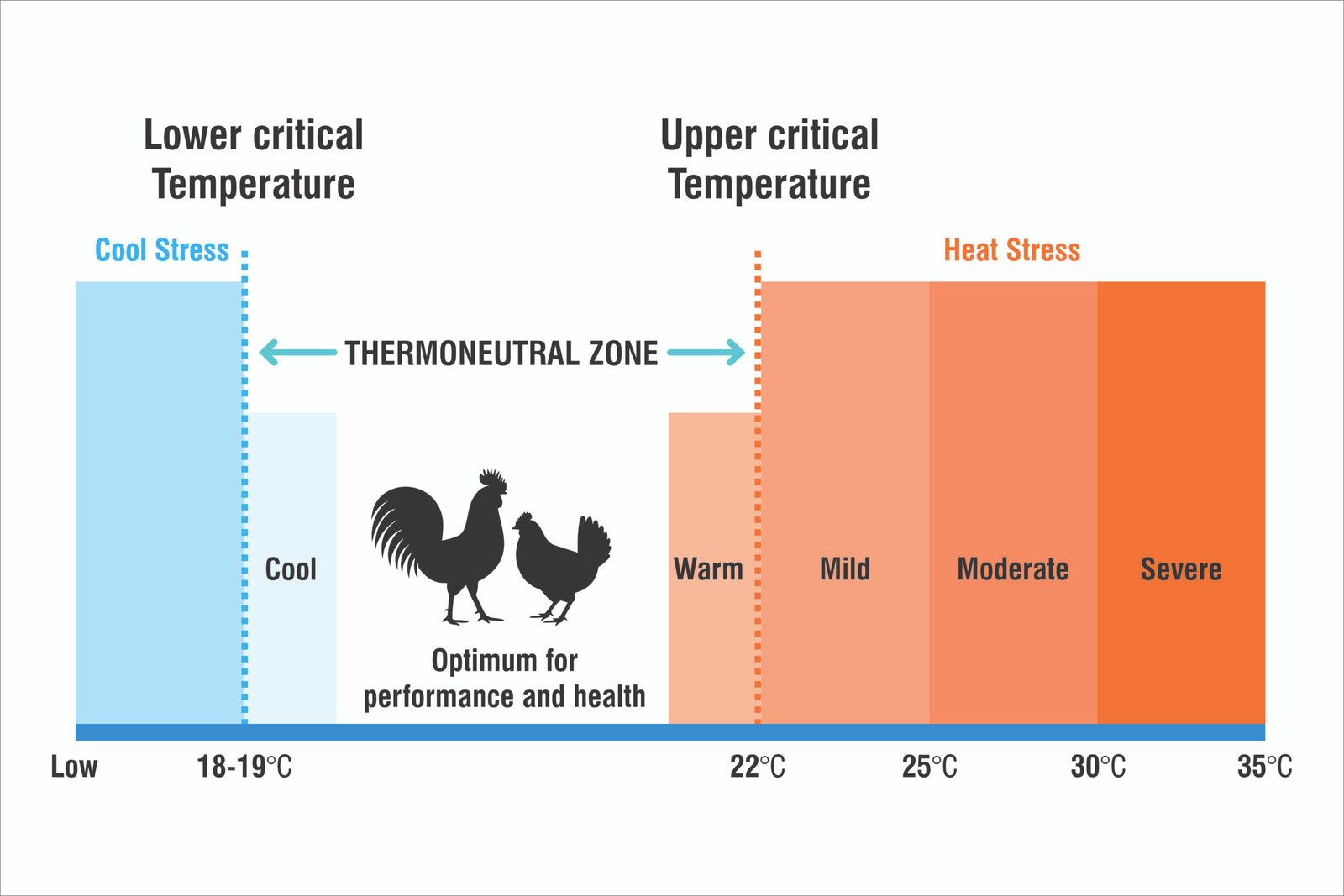
Rising global temperatures present significant challenges for poultry producers worldwide. When birds experience prolonged exposure to elevated temperatures, their health and productivity suffer considerably. This condition becomes particularly concerning when temperatures climb beyond 25-30°C, especially under humid conditions. Birds struggle to regulate their internal body temperature, leading to decreased performance and increased mortality. Effective management requires a multifaceted approach combining proper housing, nutrition, and supportive supplements.
The Physiology of Heat Stress
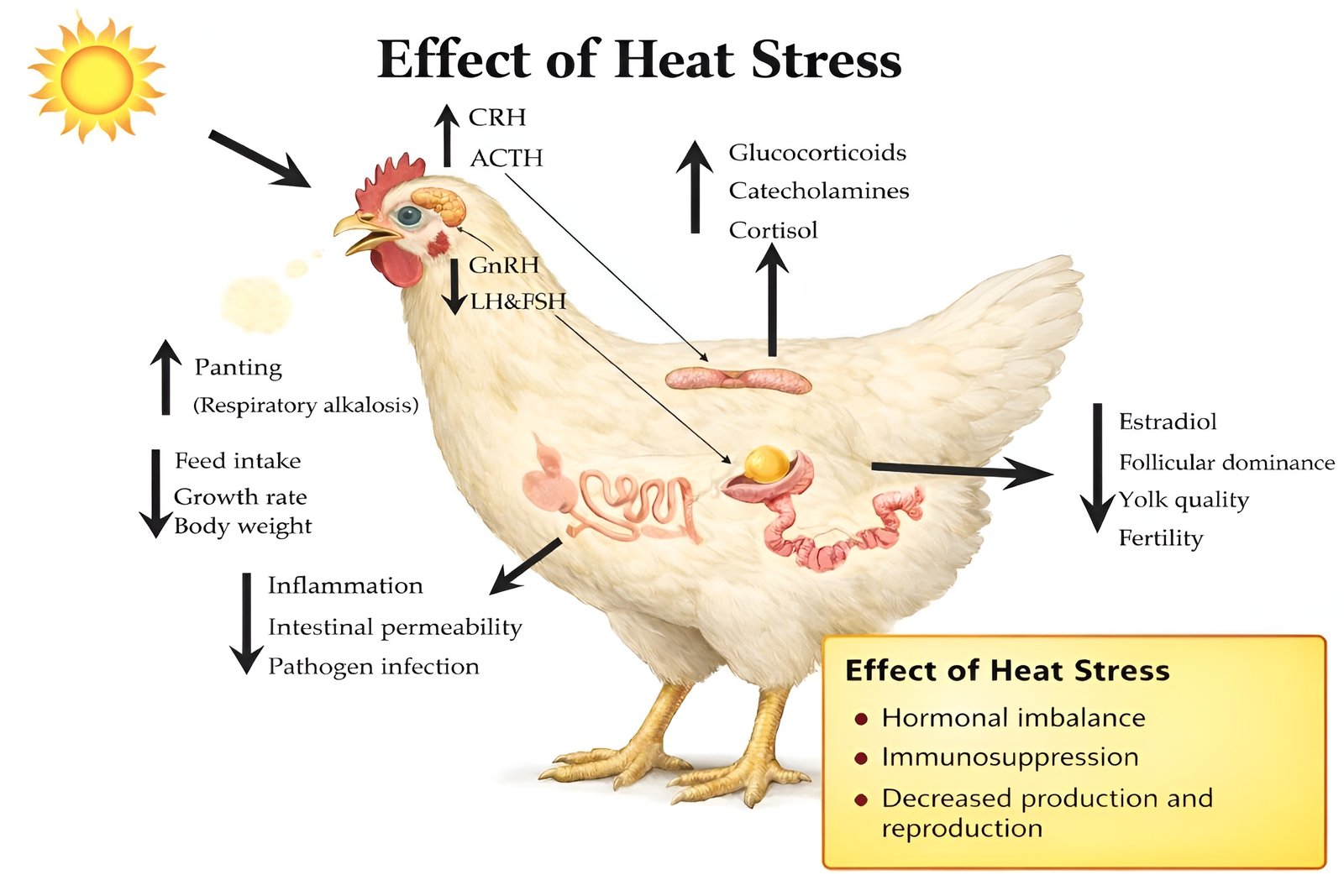
Birds maintain constant body temperatures through various cooling mechanisms. Unlike mammals, poultry lack sweat glands and rely primarily on respiratory evaporation and behavioural adaptations to dissipate heat. When environmental temperatures exceed their cooling capacity, birds experience thermal distress. Observable signs include accelerated respiration, reduced activity, drooping wings, and changes in comb colouration. Without intervention, these symptoms can cause severe dehydration, metabolic imbalances, and potentially fatal outcomes, with mortality reaching 10-20% in extreme cases.
Impact on Meat Birds
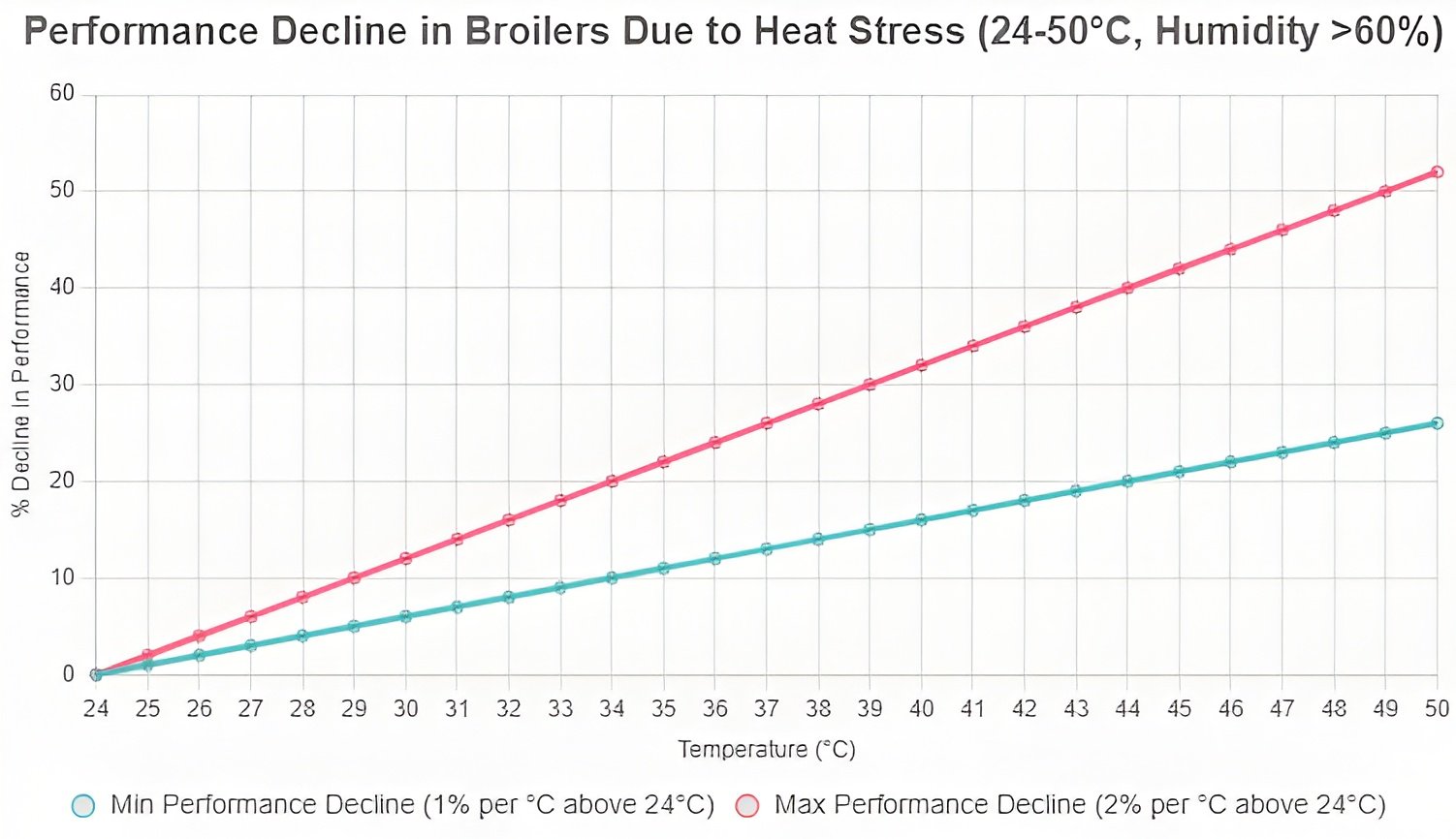
Broiler chickens face heightened vulnerability due to their rapid growth rates and dense plumage. Thermal stress can diminish feed consumption by 20-30%, directly
compromising weight gain and feed conversion efficiency (FCR). Birds redirect metabolic energy from muscle development to temperature regulation, resulting in inferior carcass quality characterised by reduced breast meat yield and increased moisture loss. Research indicates that each degree rise above 24°C correlates with 1-2%
decline in performance.
Effective management includes reducing bird density to 8-10 per square meter, maintaining continuous air circulation, and implementing evaporative cooling systems. Adjusting feeding schedules to cooler periods and supplementing with electrolyte solutions helps to maintain adequate nutrient intake.
Effects on Egg-Laying Birds
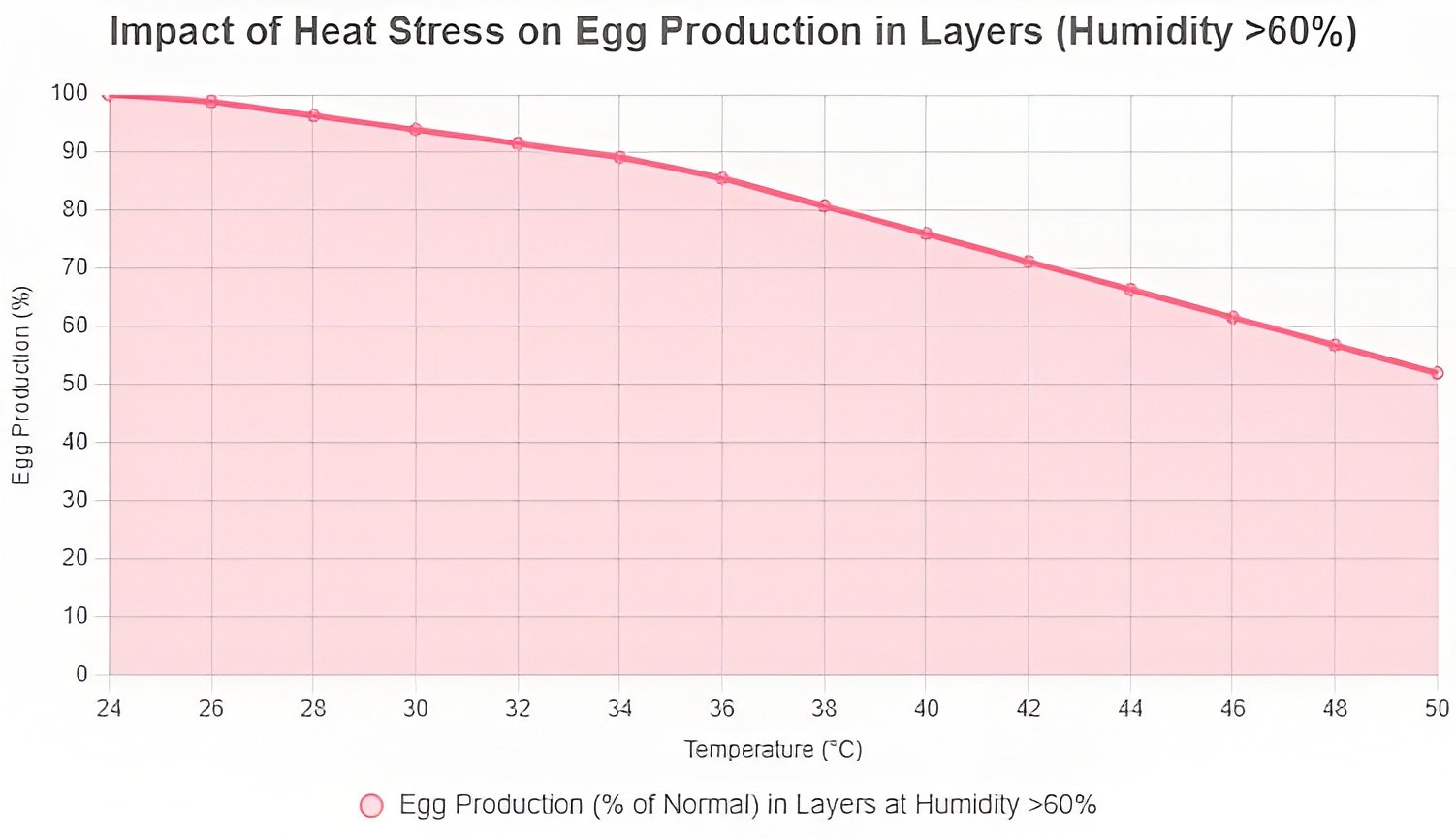
Layer hens experience heat-related challenges through disrupted reproductive physiology. Elevated temperatures interfere with hormone production, reducing follicle maturation and causing 15-25% drops in egg production. Shell quality deteriorates as calcium metabolism becomes impaired, producing thinner, more porous shells prone to breakage and bacterial penetration. Additionally, immune function weakens, increasing disease susceptibility and shortening productive life.
Recommended interventions include adequate shade provision, humidity control through misting (maintaining levels below 70%), and constant access to cool water (18-20°C). Dietary modifications such as moderate protein reduction (16-18%) minimise metabolic heat production, while antioxidant vitamins support cellular defense mechanisms.
Challenges for Breeding Flocks
Breeder birds face compounded difficulties as they supply future generations. Heat exposure compromises male sperm production and female egg development, reducing fertility rates by 10-20% and hatchability by 5-15%. Semen quality declines while embryonic mortality increases due to inadequate egg protein formation. These birds, typically older and heavier, generate additional metabolic heat, intensifying their vulnerability.
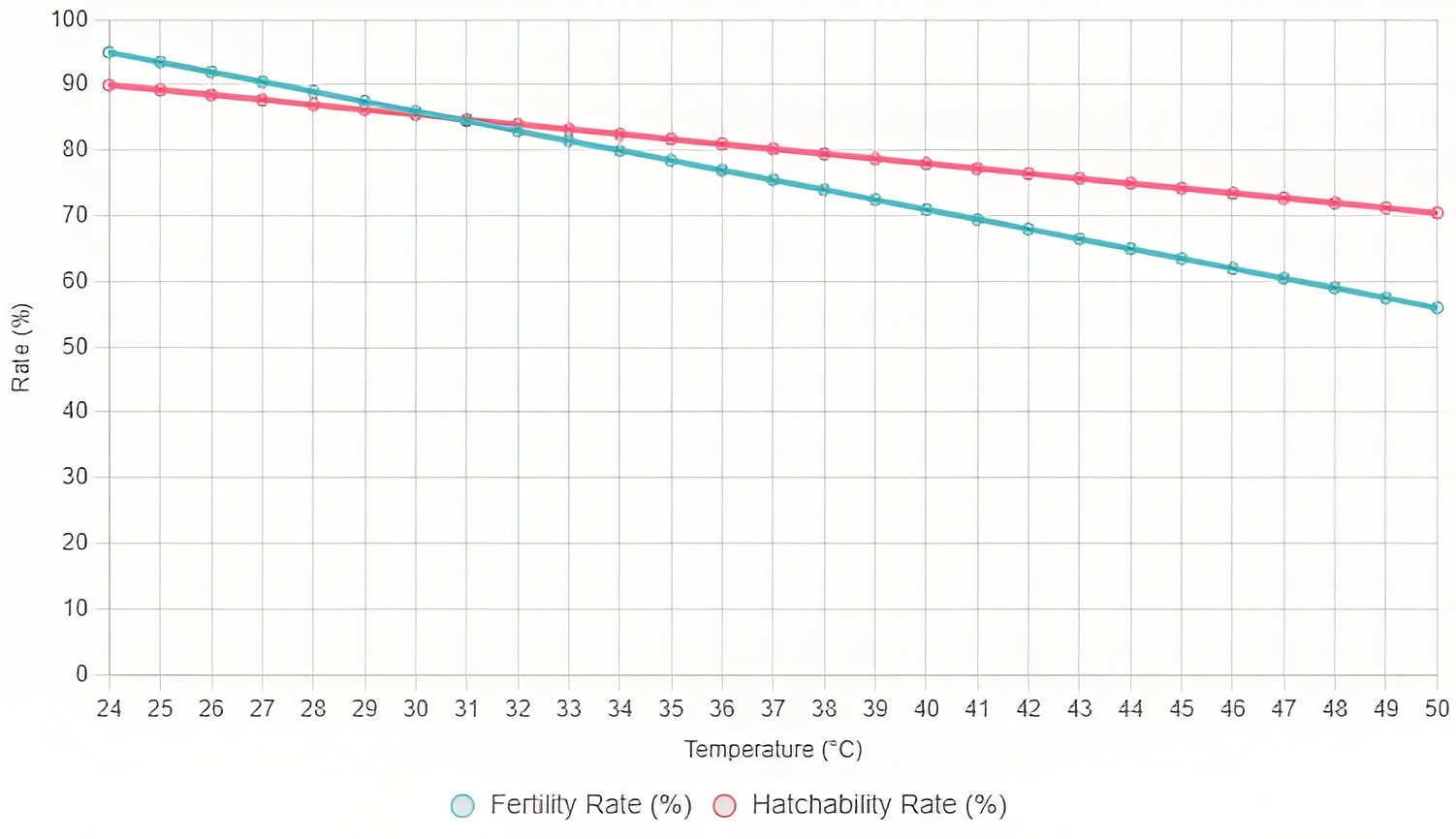
Specialised management includes dedicated cooling areas for males, modified lighting programs to extend feeding opportunities during cooler hours, and selection of heat-resistant genetic lines. Careful monitoring of body condition and incubation parameters ensures continued breeding success.
Comprehensive Management Framework
Successful heat stress mitigation requires integrated strategies:
Environmental Control
• Install efficient ventilation systems and evaporative cooling
• Apply reflective roofing materials
• Prevent overcrowding
• Results: 5-10°C temperature reduction and improved air quality
Water Management
• Provide 2-3 times normal water availability
• Use efficient drinking systems
• Maintain optimal water pH
• Results: Prevents dehydration and enhances nutrient uptake
Nutritional Adjustments
• Offer easily digestible feed forms
• Include osmotic balance compounds
• Results: Reduces heat production and supports electrolyte equilibrium
Monitoring Protocols
• Implement thermal imaging technology
• Track behavioural indicators
• Maintain preventive health programs
• Results: Early problem detection and loss prevention Combined implementation can recover 70-80% of heat-related performance losses.
Nutritional Support Solutions
While environmental modifications provide an essential foundation, targeted nutritional interventions address the underlying physiological disruptions caused by heat stress. Advanced anti-stress formulation such as THERMOGARD is specifically designed to protect birds during high-temperature challenges.
THERMOGARD combines phytogenic extracts, essential minerals, electrolytes, osmolytes, and antioxidant vitamins to counter heat-induced oxidative damage and metabolic imbalance.
Key benefits of THERMOGARD include:
Fluid and Mineral Balance:
Replenishes critical electrolytes lost through panting and respiratory cooling, preventing dehydration and digestive upset—particularly important for fast-growing broiler birds.
Appetite and Immune Support:
Helps restore feed intake and strengthens immune response, crucial for sustaining egg production, shell quality, and reproductive efficiency.
Metabolic pH Regulation:
Corrects respiration-induced alkalosis, stabilizing acid–base balance for optimal nutrient utilization across broiler, layer, and breeder flocks.
Recommended application rates for THERMOGARD:
Liquid form: Preventive use at 1 ml per 2 L of water; during heat stress 1 ml per 1 L of water Powder form: 100-250 g per metric ton for broilers and layers; 250-500 g per metric ton for breeders
Available in multiple pack sizes, THERMOGARD integrates seamlessly into daily farm management. Poultry producers report 10-15% improvement in performance parameters during peak summer stress when using THERMOGARD as part of a comprehensive heat management strategy.
Conclusion
Managing heat stress in poultry demands a proactive, integrated approach that addresses environmental, nutritional, and physiological challenges. By implementing effective ventilation, water management, and dietary adjustments—such as reducing protein levels and incorporating electrolytes producers can mitigate the adverse effects on broilers, layers, and breeders, including reduced feed intake, egg production declines, and fertility issues. Supplements play a vital role in restoring electrolyte balance, boosting immunity, and countering oxidative stress, potentially recovering up to 80% of performance losses. As global temperatures continue to rise, prioritizing these strategies not only enhances flock welfare and productivity but also ensures the long-term viability of poultry operations in an increasingly unpredictable climate.
